Maintenance
4 records the SBA says prove a business vehicle expense
Tax deduction mileage needs four record types the SBA names: a mileage log, receipts, repair papers, and depreciation files, each matched to Schedule C lines.
What to take away
- For tax deduction mileage, the Small Business Administration points to four record types: a mileage log, receipts, repair and maintenance files, and loan, lease and depreciation paperwork.
- Each type feeds a specific Schedule C line, so misfiling one record can leave a line unsupported.
- A mileage log needs date, destination, business purpose, and odometer readings for every trip.
- Receipts cover fuel, parking and tolls, and they back the actual expense method, not the standard mileage rate.
- Depreciation and lease records support the business-use percentage you claim on the vehicle.
Line-by-line map
| Record type | Schedule C line | What it supports |
|---|---|---|
| Mileage log | Line 9 | Business miles and business-use percentage |
| Fuel, parking, toll receipts | Line 9 | Actual vehicle operating costs |
| Repair and maintenance invoices | Line 9, sometimes Line 13 | Operating costs and capital repairs |
| Loan interest statements | Line 16a | Interest on a vehicle loan |
| Lease agreements and statements | Line 20a | Vehicle lease payments |
| Purchase and depreciation files | Line 13 | Depreciation and section 179 |
The four record types the SBA points to for vehicle expenses
The Small Business Administration tells owners to keep financial records that show income and expenses, and it names vehicle costs among the expenses a small business tracks. Its guidance on managing your business finances treats recordkeeping as a routine task, not a year-end scramble.
SBA tax guidance repeats the point for deductions: business expenses reduce taxable income only when the owner can show them. The agency's page on paying taxes covers deductions for ordinary and necessary business costs, and vehicle expenses sit in that group.
Those two pages point to four record types for a vehicle: the mileage log, receipts for fuel, parking and tolls, repair and maintenance documentation, and loan, lease and depreciation paperwork. The SBA's manage your business counseling material groups records and expenses the same way.
The two SBA pages carry the titles "Manage your business finances" and "Pay taxes". They describe what to track, not the fields of a log.
The field lists below come from IRS rules. Publication 463 covers car expenses and the records that prove business use. Publication 535 covers deductible business expenses, and Publication 946 covers depreciation and section 179.
A first-year Schedule C filer often keeps only a bank statement. That shows a payment left the account. It does not show the business purpose, the miles, or the business-use share of the vehicle. The four record types fill those gaps.
Recordkeeping also has a deadline. The IRS Publication 583 explains that a business should keep records that support income and deductions, and it describes how long to hold them. Vehicle records are part of that set.
This article names each record type, lists its required fields, and matches it to the Schedule C lines where the numbers land. Use it as a filing checklist, not a substitute for your own tax preparer.
Why one receipt is not enough
A single receipt proves one purchase. A log proves business use over time. Repair papers prove the vehicle exists and runs. Depreciation and lease files prove who owns or pays for it. Together they tell a complete story.
The record types overlap, but none replaces another.
Record type one: the mileage log and its required fields
The mileage log is the backbone of any vehicle claim. It records each trip as it happens, not from memory in April. The IRS asks for the date, the destination, the business purpose, and the miles driven.
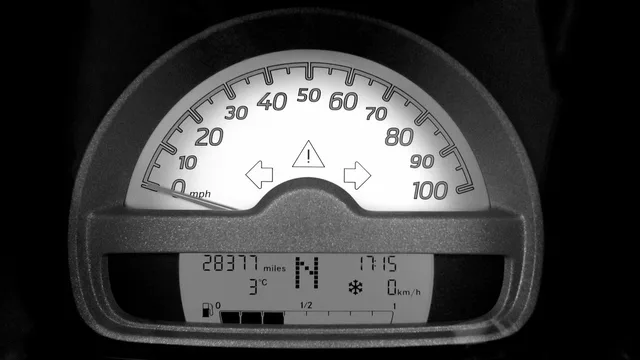
Add odometer readings at the start and end of the year. Those readings let a preparer reconcile total miles with business miles. Without them, a log can show 12,000 business miles on a car driven 9,000 miles, which invites questions.
A log can be paper, a spreadsheet, or an app. The format matters less than the habit. Write the entry the same day, while the destination and purpose are fresh.
Required fields on every entry
Mileage Log Required Fields
- Date of the trip
- Destination or general area
- Business purpose
- Miles driven
- Odometer start and end for the year
- Total miles and business miles for the year
- Vehicle descriptionyear, make, model
An entry that misses any one of these seven fields is incomplete:
- Date of the trip.
- Destination.
- Business purpose.
- Odometer reading at the start of the trip.
- Odometer reading at the end of the trip.
- Miles driven.
- Vehicle description, such as year, make and model.
A worked example
Suppose a Denver consultant drives to a client site on March 4. The log entry reads: March 4, client office, Denver Tech Center, project kickoff, 22 miles. The odometer at the start of the year was 41,200 and at year end 54,800.
Business miles for the year total 13,600. Total miles for the year are 13,600, because the car is used only for work and personal errands that the owner also logs separately. The preparer uses the business share to figure the deduction.
If the same car were used half for personal driving, the log would show that split. The business percentage then applies to actual costs or supports the standard mileage rate, depending on the method chosen.
Log entries that fail a review
A log written in one sitting for the whole year is weak. So is a log with "business" as the only purpose on every line. Reviewers look for variety that matches a real schedule.
Gaps matter too. A month with no entries suggests the log is incomplete, not that the owner stopped working. Note vacations and slow periods so the gaps have an explanation.
Keep the log with the other records. Our guide to actual car expenses vs standard mileage low business use can help you confirm the log is complete before you file.
Record type two: receipts for fuel, parking and tolls
Receipts prove what the vehicle cost to run. Fuel, parking and tolls are the three most common categories, and each one has a paper trail. Keep the receipt or a digital image of it.
Standard Mileage vs Actual Expenses
Standard mileage rate
- Mileage log
- Required
- Fuel, parking, toll receipts
- Not used for the rate itself
- Repair records
- Helpful for business-use proof
- Depreciation or lease files
- Required if you claim depreciation
Actual expenses
- Mileage log
- Required
- Fuel, parking, toll receipts
- Required
- Repair records
- Required
- Depreciation or lease files
- Required
A fuel receipt shows the date, the station, the gallons and the total. It does not show the business purpose. The mileage log supplies that link, which is why the two records work as a pair.
Parking and toll receipts are small and easy to lose. A garage stub or a toll transponder statement works. Photograph the stub the same day and note the trip it belongs to.
Which method needs receipts
Mileage log
- Standard mileage rate
- Required
- Actual expenses
- Required
Fuel, parking, toll receipts
- Standard mileage rate
- Not used for the rate itself
- Actual expenses
- Required
Repair records
- Standard mileage rate
- Helpful for business-use proof
- Actual expenses
- Required
Depreciation or lease files
- Standard mileage rate
- Required if you claim depreciation
- Actual expenses
- Required
Under the standard mileage rate, the rate covers fuel and wear, so individual fuel receipts do not change the deduction. Under the actual expense method, every fuel, parking and toll receipt feeds the total cost of operating the vehicle.
The IRS sets the business standard mileage rate each year. For tax year 2025 the rate is 70 cents per mile. Check the IRS standard mileage rates page for the tax year you are filing, because the figure changes most years.
You cannot switch methods freely. The choice affects later years, so decide with your preparer before you file the first Schedule C that claims the vehicle.
How to store receipts
Digital storage works. The IRS accepts electronic records if they are readable and can be reproduced. Scan or photograph each receipt and name the file with the date and vendor.
A monthly folder keeps the pile small. At month end, total the receipts and compare them with the bank or card statement. A missing receipt shows up as a gap.
If a receipt is lost, a bank or card statement can support the payment. Add a note about what was bought and why. A business deductions checklist can remind you which categories to gather each month.
Record type three: repair and maintenance documentation
Repair and maintenance records show the vehicle is real, used, and kept in working order. They include invoices for oil changes, tires, brakes, and major repairs.
These records do double duty. They support the actual expense method, where repair costs are part of the total. They also help prove business use when a vehicle is used for both work and personal driving.
An invoice should name the shop, the date, the vehicle, the work done, and the amount paid. A credit card statement alone names the shop and the amount, but not the work. Keep the invoice.
What to keep for each repair
What to Keep for Each Repair
- Shop invoice with the vehicle identified
- Date and odometer reading at service
- Description of the work
- Amount paid and payment method
- Warranty or follow-up notes
Keep five items for each repair:
- The shop or mechanic, with name and address.
- The date of the service.
- The vehicle, identified by year, make, model and plate or VIN.
- The work performed, with parts and labor described.
- The amount paid.
Why maintenance records matter in a review
A vehicle claimed for business use should show ordinary upkeep. A car with 80,000 miles and no oil change record looks neglected, which can raise a question about whether it was driven for work at all.
Records also separate capital repairs from routine upkeep. An engine replacement may need to be depreciated rather than deducted in one year. The invoice gives your preparer the facts to make that call.
Keep repair records for the same period as the rest of your tax records. The retention rules are the same ones that cover your other business papers, and our guide to the business meals deduction limit for small business can help you match each record type to its retention period.
Record type four: loan, lease and depreciation paperwork
Loan, lease and depreciation paperwork proves who pays for the vehicle and how much of its cost belongs to the business. This is the record type first-year filers miss most often.
If you financed the vehicle, keep the loan agreement and the payment schedule. Interest may be deductible as part of the actual expense method. The agreement shows the loan exists and the vehicle secures it.
If you lease, keep the lease agreement and the monthly statements. A leased vehicle has its own deduction rules, and the lease terms set the business-use share. Do not rely on memory for the monthly payment.
Depreciation records
Depreciation spreads the cost of a vehicle over several years. The records include the purchase agreement, the date placed in service, the cost, and the business-use percentage. Section 179 and bonus depreciation elections add more paperwork.
A vehicle placed in service midyear has a shorter first-year deduction. The purchase date and the first business trip date both belong in the file. Keep the title or registration as proof of ownership.
If you sell or trade the vehicle, keep the sale documents. The sale affects depreciation recapture, and the original purchase records are needed to figure it. A tax records and audits review can show whether your file covers the full ownership period.
Lease versus loan records at a glance
Lease versus loan records
Loan
- Agreement
- Loan contract
- Monthly proof
- Payment statements
- Interest
- May be deductible
- Ownership
- You hold title
- End of term
- Sale or trade records
Lease
- Agreement
- Lease contract
- Monthly proof
- Payment statements
- Interest
- Not applicable
- Ownership
- Lessor holds title
- End of term
- Return or buyout records
Matching each record type to a Schedule C line
Schedule C (Form 1040) reports profit or loss from a sole proprietorship. The IRS About Schedule C page explains that car and truck expenses are reported on the form, with Part II covering expenses.
Record Types to Schedule C Lines
Record type
- Mileage log
- Line 9
- Fuel, parking, toll receipts
- Line 9
- Repair and maintenance invoices
- Line 9, sometimes Line 13
- Loan interest statements
- Line 16a
- Lease agreements and statements
- Line 20a
Schedule C line
- Mileage log
- Fuel, parking, toll receipts
- Repair and maintenance invoices
- Loan interest statements
- Lease agreements and statements
Line 9 is car and truck expenses. That is where the mileage log, fuel receipts, and repair records land, depending on the method. The number on Line 9 is the total vehicle deduction for the year.
Line 10 is commissions and fees, which rarely involves a vehicle. Line 13 is depreciation and section 179, where the vehicle's depreciable cost goes. Line 16a is interest, where loan interest on a business vehicle may appear.
Line 20a is rent or lease of vehicles, machinery and equipment. Lease payments for a business vehicle land there. Line 27a is other expenses, a catch-all that should not hold vehicle costs that belong on Lines 9, 13, 16a or 20a.
A filing sequence
- Total the mileage log and confirm business miles and total miles.
- Choose the standard mileage rate or the actual expense method with your preparer.
- Total fuel, parking and toll receipts if you use actual expenses.
- Add repair and maintenance costs for the same period.
- Enter the vehicle deduction on Line 9 and any depreciation on Line 13.
- Enter loan interest on Line 16a and lease payments on Line 20a.
- Attach the records to the return file and store them with the rest of the year's papers.
The order matters because the method choice changes which records count. Choosing actual expenses means every receipt category counts.
Keep the records together after filing. If the IRS asks about the vehicle claim, the file should answer the question without a search through old boxes. The standard is to support what you reported, and the four record types do that.