Rules
Part of Tax Records and Audits: Does a Stack Prove a Deduction?
Tax recordkeeping checks: capture, close, retain, and file with support
A tax recordkeeping walkthrough covering what to capture at each transaction, how to close the month, year end facts, retention periods, and filing support.
What to take away
- Six checks carry the file, and they run in order. Capture each record at the transaction, close every month, then fix the year-end facts that exist only on a date.
- Two checks finish the job. Match each record to a retention period, file the return with its support, then read the result the way a stranger would.
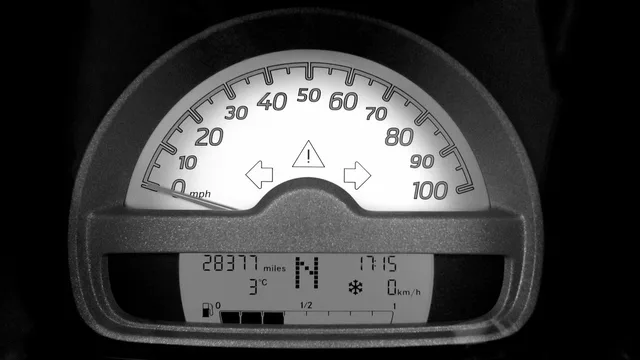
- A defensible mileage log shows the date, the destination, the business purpose, the miles driven, and the odometer reading at the start and end of the year.
- Most records live three years from the date you file. Property records live while you own the asset, plus three to seven years after you dispose of it.
- Your preparer's copy is not your copy. Firms change hands, and the duty to support a return stays with the taxpayer.
Check 1: capture the record at the transaction
Some facts survive a delay. Others do not, because you will not recall them and nobody else can supply them. Mileage, business purpose and the names of people at a meal belong to the second group. Write them down within a day.
- Mileagedate, destination, purpose, miles, plus an odometer reading on 1 January and 31 December.
- Mealswho attended, what was discussed, and the amount on the receipt.
- Card and cash paymentsthe statement line alone rarely identifies the purpose.
- Gifts and travelthe recipient and the business connection, noted at the time.
The mileage rates overview reads published figures with a sceptical eye, which matters less than what your own log captured that afternoon.
Capture As Transactions Happen
- Evidence of paymentstatement, receipt, invoice
- Business purpose in a few words, at the time
- Business/personal split and its basis
- Contracts kept with the transactions they govern
- Mileage logged as you drive, not year end
IRS Publication 463 states what a car expense record has to contain, and when it has to be made.
Check 2: close the month with four steps
A month is short enough that you still remember the odd items. Close it before they turn into guesses.
- Download the bank and card statements in a format you can open without a subscription.
- Match every business line to a receipt, a log entry, or both.
- File the matched items in one folder named for the tax year.
- Write one line naming anything unexplained, with the date you will chase it.
Check 3: fix the year-end facts that expire
Some records are events, not documents. If nobody writes the number down on the date, the number is gone.
- Odometer reading at 31 December, with total miles and business miles for the year.
- Inventory count and the valuation method used, both dated.
- Every asset placed in servicecost, date, and the method you chose.
- Home office area in square feet, if you claim the simplified method.
- Invoices issued late in the year and still unpaid at 31 December.
Year-End Record Tasks
- Take odometer readings and inventory counts
- Assemble support before the return is prepared
- Update asset cost and service-date records
- Write down unresolved items and decisions
What counts as support for those figures is the subject of the tax records and audits overview.
Check 4: match each record to a retention period
Retention is not one number. The periods depend on what a record supports, and the shortest common one is three years from the date you file.
| Record | Keep for |
|---|---|
| Return, W-2s and the income and expense support behind them | 3 years from the date you file |
| Income underreported by more than 25% | 4 years |
| A loss from worthless securities or a bad debt | 7 years |
| Employment tax records | 4 years after the tax is due or paid |
| Property and asset records | While you own the asset, plus 3 to 7 years after disposal |
| Any year with no return filed | Indefinitely |
The IRS page on how long to keep records lists these categories and the exceptions attached to each.
Basis records for a business you own part of are the ones people discard first and regret later. Schedule K-1 explains why they outlive almost everything else in the file.
Check 5: file the return with its support in one place
The return and the material behind it belong together. Separated, neither one answers a question on its own.
- The return exactly as filed, in the form it went out.
- The filing confirmation and proof of any payment.
- Your preparer's workings, or a note of where they are held.
- One label on the folder giving the tax year and the retention date you applied.
The IRS recordkeeping guidance describes what a business is expected to keep, and why an unsupported figure is the first thing an examination tests.
Support shows what you spent. It does not show that the spending is deductible, and business deductions sets out the test that separates the two.
Example: the same drive, logged two ways
3 February. 42 miles. Business.
3 February. Drove to the client's warehouse for the quarterly inventory count. 42.3 miles. Odometer 21,004.
The first line gives a number with no story. A reviewer cannot tell whether the miles were business or commuting, or what the trip achieved. The second line can be checked against a calendar entry or an invoice.
Give the file to someone who was not there. If that person can rebuild the trip from the page, the record works.